Tag: urban-forestry

  • World Pollinator Day & Urban Ecology

    World Pollinator Day & Urban Ecology

    What is World Pollinator Day?

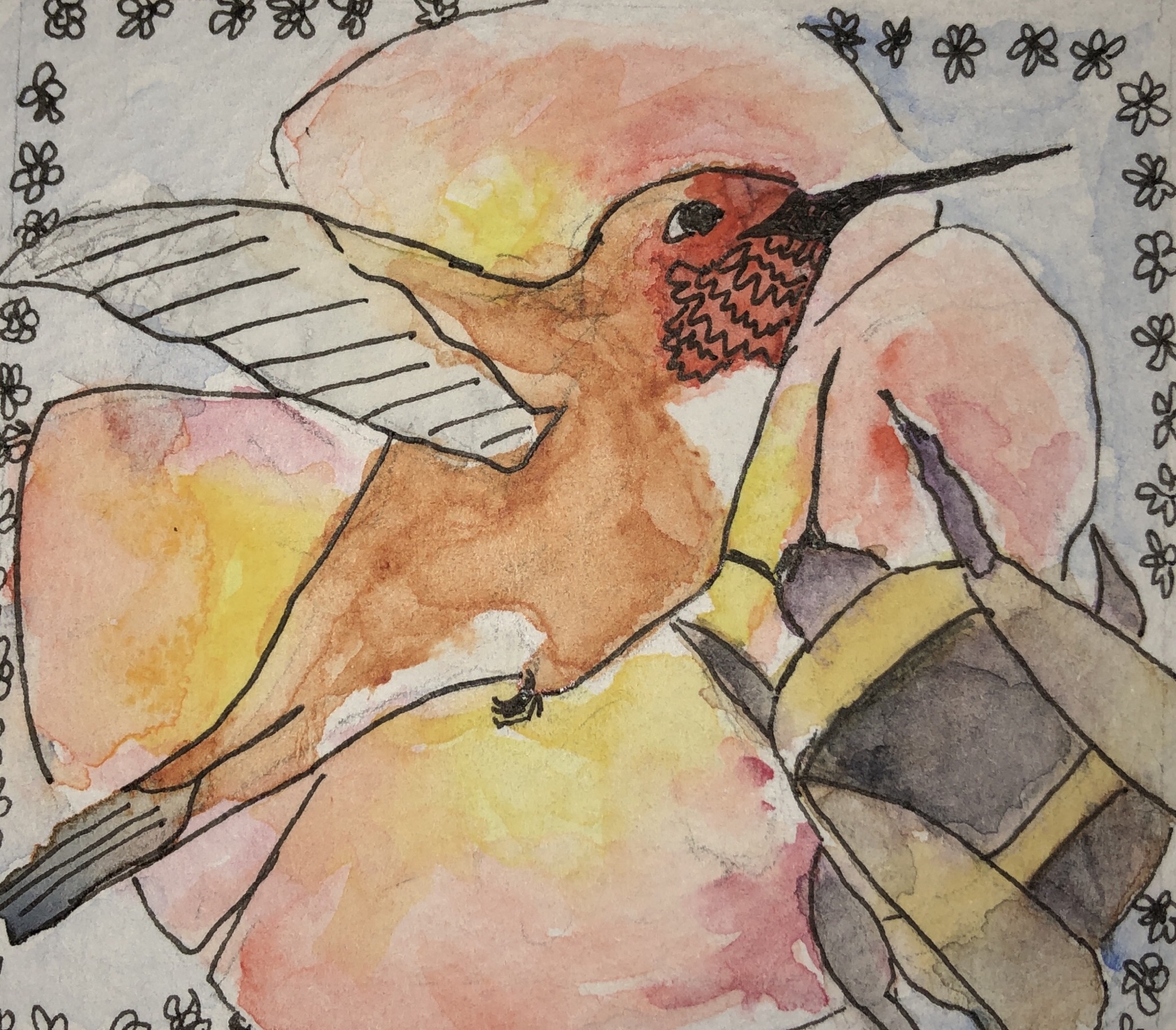
    World Pollinator Day, or World Bee Day, is an environmental awareness holiday to support the critical role of pollinators in our communities.

    Why should I care about World Pollinator Day?

    As we describe on this blog frequently, all life is connected.

    Angiosperms, or flowering plants, make up about 80% of all life on earth–over 250,000 species. Of these species, a significant portion are food crops and 35% of all food crops are pollinated.

    The health of the environment is directly tied to our health and pollinators. Scientists have specific vocabulary that describes that relationship: indicator species. Indicator species aren’t always pollinators , but can be amphibians, birds and other organisms that show the effects of climate and environmental change so acutely, we can measure their presence to show the impacts of environmental change.

    What are pollinators?

    Pollinators include many kinds of life, not just insects. Birds, bats and some mammals are also pollinators, (including humans). These organisms have a long relationship with flowering plants through a process called co-evolution.

    Why do scientists say that we’re in a mass extinction event?

    If you speak to your parents, grandparents or folks that are older than you, you will likely hear about how much the world has changed since they were you age. This doesn’t necessarily apply to just technology or economic changes, but also includes changes in your environment. You may have also noticed differences in your environment as you have gotten older. I know I have.

    I’m in my early 30s, but I moved around and traveled a lot as a kid. Some of the strongest memories I have were from road trips. Although we lived in a desert climate, there were so many insects all over our car any time we drove more than an hour. This became more pronounced when we moved further east to the other side of the United States and when we moved overseas.

    When I moved back to my hometown in Central Utah in the mid 2000s, there was such a noticeable decrease in insects and birds that my parents were surprised. When I moved to Texas in 2022, I’d be on long roadtrips for work, up to 8 hours of driving through various climates and ecosystems, I’d rarely have any bugs on my front bumper or windshield. This is called the Windshield Phenomenon, a measurable indicator of climate change and ecological health.

    Why is the decrease in insect diversity concerning?

    Insects hold a unique role in ecosystems. When scientists talk about ‘trophic levels’ and ‘food webs’, insects are some of the most important species holding it all together.

    Many insects function as pollinators, which help plant species propagate and create new life. They also function as food for other species and a significant source of protein for larger organisms like birds and amphibians.

    Take a look at this example of a food web from North Carolina State University:

    What are you noticing about this food web?

    What would happen if the plant was removed?

    What effects would occur for the other living organisms that depend on that plant for food?

    This is a very simplified example of what ecologists do on a day to day basis, examining site conditions to determine ecological impacts for various (and frequently innumerable) species. There are specific ways of managing and documenting species that help maintain and encourage ecosystem health for future generations.

    How are urban forests and pollinators connected?

    Urban forests are one of the largest pockets of greenspace in cities that include multiple levels of plant biodiversity.

    Typically, you see a diagram like this (from New York City Parks & Rec Department) when talking about urban forest canopy levels/structure:

    Each of these layers has a role and supports specific ecological niches.

    These plants, ideally, are native species that provide habitat, food and other ecosystem services that support urban biodiversity. Native species have been around for a long time and have developed partnerships with native pollinators for eons.

    However, it is recommended to increase the biodiversity of canopy species to reduce pests and disease, so non-native species are frequently planted to achieve those goals. Additionally, it is hard to find many species of plants in commercially available nurseries as they have specific ways of germinating that impact it’s viability as a commercial product.

    How do I find information about my local pollinators?

    There are so many different resources to learn about your local pollinators.

    Internationally, iNaturalist is one of the best tools available. Data is collected by everyone and confirmed by experts in your community and worldwide. There are apps in all major app stores, a comprehensive website and has worldwide events anyone can participate in. It’s free, supports open-sourced data, and works like a real-life PokeDex.

    In the United States, most land-grant universities have Extension offices. These are community experts that typically specialize in traditional settler agriculture, but are increasingly including experts in native plants, gardening and engaging in community science opportunities and training for laypeople.

    Are domestic bees pollinators?

    Technically, yes.

    However, they aren’t the most efficient pollinators and increase competition for forage among native species. This has wide reaching effects and causes conflict among conservation advocates and community members who are seeking food sovereignty through bee-keeping.

    One way to keep domestic honeybees and support native bees and other pollinators is by building habitat.

    How do I increase pollinator diversity?

    Plant more native species in your area!

  • Free ISA CEUs: Week of May 12, 2025

    Free ISA CEUs: Week of May 12, 2025

    Tonight is a full moon, a great time to observe nighttime pollinators on Oenothera and Yucca this evening. What are you noticing?

    There is 1 free ISA CEU training opportunity available this week.

    Wednesday May 14, 2025

    ITree Open Academy Spring 2025

    Online with MyTree, i-Tree Design, and i-Tree Planting. Explore the easiest to use online i-Tree tools for individual trees. Get a better sense of their advantages and most common uses.

    Wednesdays @ 1pm EST (May 7-June 11, 2025)

    Register Here

    Remember, you can always ask your local ISA chapter if your event qualifies for CEUs.

    If your organization is hosting a free in-person or virtual ISA CEU opportunity, please reach out to us so we can get your event on this list.

    Subscribe to continue to receive free notifications for no-cost ISA CEU events.

  • All About Boots: A Botanist’s Perspective

    Previously published on 03/07/2021. Revised and updated on 5/2/2025. This post is not sponsored content.

    It is cold and rainy today in Utah. If I have a choice in hiking weather, rainy isn’t usually my favorite. I don’t have a lot of rain gear because we generally don’t get rain. I have exactly one raincoat and no umbrellas. So I feel like today is a great day to talk about a hiker’s most important gear: footwear. I have very strong opinions about footwear because I like having comfortable feet, and I’m really picky. I expect my boots to hold up in dense patches of cheatgrass (Bromus tectorum), hiking up shale, or wading through cow pies and dodging prickly pear cactus (Opuntia polycantha). I also need to be able to use a manual transmission while in the boots.

    Trail Runners vs Hiking/Work Boots

    This is pretty divisive among myself and my colleagues. I think the main differences can be boiled down to what you need. If you need a shoe that is light and breathable trail runners are great for that. Especially if you’re planning on staying on a trail and avoiding pokey plants and cheatgrass. I’m in the camp that prefers boots because I need the support. I have strong ankles, but I like the extra protection, grip and durability of boots. I wore trail runners in the field and was seriously injured because I wasn’t wearing my normal footwear. My foot slipped off a rock and I fell about 8-10 feet on a talus slope. I was fine, just had a concussion and a neck sprain, but if I had my regular boots I wouldn’t have been injured.

    Cost

    To start off with, I think it is worth spending money on your footwear. It is the only thing that protects you from the ground. If you screw up your feet, you won’t be able to hike easily. Don’t be afraid to spend over $100 on boots if you can afford it. I am frugal and I don’t spend money on much besides good boots once a year and knitting materials. I usually spend between $200-300 on boots.

    You can find boots at Walmart for $50-75 that have glued soles and synthetic materials. If you don’t hike for your job and only go hiking a couple of times per year, that’s fine. When you start hitting the $100-150 range, you’re getting into boots that are made to be hiked in regularly. This price range isn’t unreasonable if you’re getting mens’ boots. In my experience, women usually have to spend more to get the same quality of materials as a mens boot. I can’t tell you the amount of times I was really excited to find a really awesome boot for $150, but then saw that it had plastic eyelets that were glued to the leather, whereas the mens boots had metal d-rings that were secured to the uppers with rivets. To get the same quality, I would have had to spend an extra $40 because the mens boots didn’t go down to a small enough size.

    Experience

    Go to a place that does good boot sizing for women with quality shoes. I’ve been to many stores in my area that had a terrible women’s selection and terrible customer service. I’d recommend going to stores that don’t require you to be a walking Patagonia or North Face ad to shop there. Despite women’s sizing issues at Red Wings outlets, I really love the quality of their boots and their customer service. They usually can find small men’s boots to fit women’s feet. I’d also try going to your local gear store. Here where I live, we have Out N Back, who I LOVE. They didn’t have the boots I wanted to try on, but were happy to send me to a store that did.

    How to look for a quality boot

    I prefer boots that are leather. I like the main body of the boot to be leather with a little bit of padding around the ankle for comfort. I like a flexible, but grippy sole.

    1. GLUE: When I’m looking for a new boot, I make sure that there isn’t any glue leaking where the uppers meet the sole. You also don’t want any gaps. It should be pretty smooth. I feel that it shows that the manufacturer is detail-oriented. If there is glue all over, then what other defects exist?
    2. LONGEVITY: I like boots that can be resoled–I don’t own a pair like that right now, but if you don’t wear out uppers before your sole wears out, you are a good candidate for resoling. It saves you money, saves it from landfills and saves you time breaking in new boots.
    3. EYELETS/GROMMETS: Make sure the eyelets (where the laces go through) are metal and are securely attached to the boot. If you have plastic eyelets they will fall off and this can put you at risk for injury. You don’t want to trip on a bootlace while you’re rock scrambling.
    4. SOLES: Do the soles fall apart if you aggressively rub them in your hands? If they do, don’t buy them.
    5. INSERTS: Can you put in an insert? They can help with supporting your arches and encouraging proper spine alignment, while increasing the longevity of your boot. Very important if you have high/low arches and are on your feet all day.

    Trying them on

    Wear or bring socks that you are planning on using with these boots. When you put on your boots, notice where it is rubbing. If it’s an all-leather boot like the Red Wing 606 you can expect to be a little tight for the first two weeks or so. It’s because you have to break them in so the leather can form to your feet. It should be a little tight, but it will stretch out the more you wear them, especially if you regularly oil them. Walk in the boots you’re trying on. Run, squat, twist, go on your tiptoes. Do normal movements that you do every day at work. If they hurt your feet, talk to the salesperson. They’re there to help you find the perfect boot for your needs. If you know the kind of boots you want, try and find last seasons colors and styles for a discounted price. Usually there aren’t any defects and you can get a quality women’s boot at a very affordable price.

    What I Wear

    I’ve owned many pairs of boots in my life and my favorite boots so far are Vasque St. Elias Women’s Boot . I was boot-hunting for a few weeks in March 2019 and I was getting really frustrated trying to find a boot that fit my feet and would at least last me through the field season (Mid April-September). I wanted something that had metal eyelets that were secured to the uppers. Since March 2019, I’d estimate that I’ve put over 200 miles on this pair. I spent the spring and summer on the border between Nevada and Utah with highs ranging from 32F to 110F. They have survived a very unusual wet spring and summer. Post-field season uses, I have used them as regular cold weather boots while shoveling snow and going on walks in the park. I’ve also gone snow-shoeing in them and I was pleasantly surprised that they held up and kept my feet warm.

    Keeping your boots in tip-top shape

    1. Moisturize the leather on your boots, especially if you live in a dry climate like I do. It keeps the leather from cracking and breaking and increases the life of your boot.
    2. Don’t wear them constantly. Your feet need to air out at the end of the day. Make sure to bring camping shoes with you like a pair of old slippers or sandals. It gives the leather time to breathe and let your boot (and feet) air out. If you’re traveling between areas, take off your shoes and socks and let them breathe.
    3. Clean your boots after each use. I wipe my boots down with a damp bandana if there is a fine layer of dust. If they’re damp from scat or mud, I wipe off as much as I can from the uppers and the soles and use a dry brush to finish cleaning the dried dirt until I get back home. I don’t soak my boots to wash them as that can damage the leather, glue and metal.
    4. Clean your feet! If you’re out in the field, make sure to wipe down your feet with a wet cloth or baby wipes. This helps prevent your feet from getting cuts, heat rashes blisters and body odor.
    5. Always bring more socks. On my 8-day trips last season, I brought twice as many socks than I needed. Wear wool socks if you aren’t allergic. It wicks away moisture and keeps foot-funk down because of antimicrobial properties. This also helps you avoid sweat buildup in your boots.
    6. Consider using a wool insole. If you’re needing extra support a wool insole is a good option. They help your feet stay dry, don’t contribute to microplastic pollution and are biodegradable even after years of wear.

    Are you looking for field gear recommendations for your needs? Are you interested in a career in natural resources? Need someone to come take a look at your trees?

    Book a free 15-minute consultation with me!

    Follow Abbottanical on Facebook, Instagram & LinkedIn to learn more about urban forestry, botany, plant ecology, field safety & more.