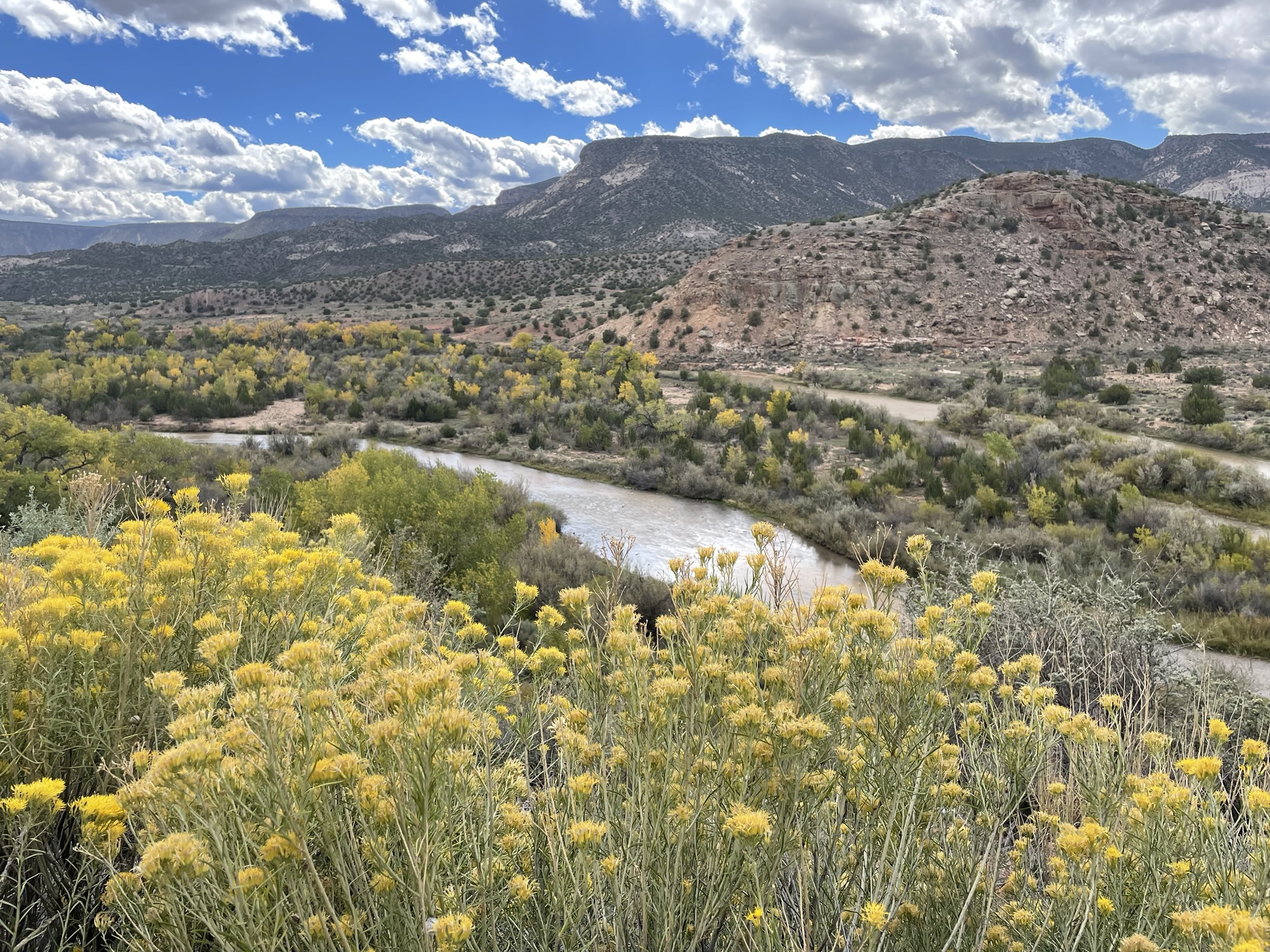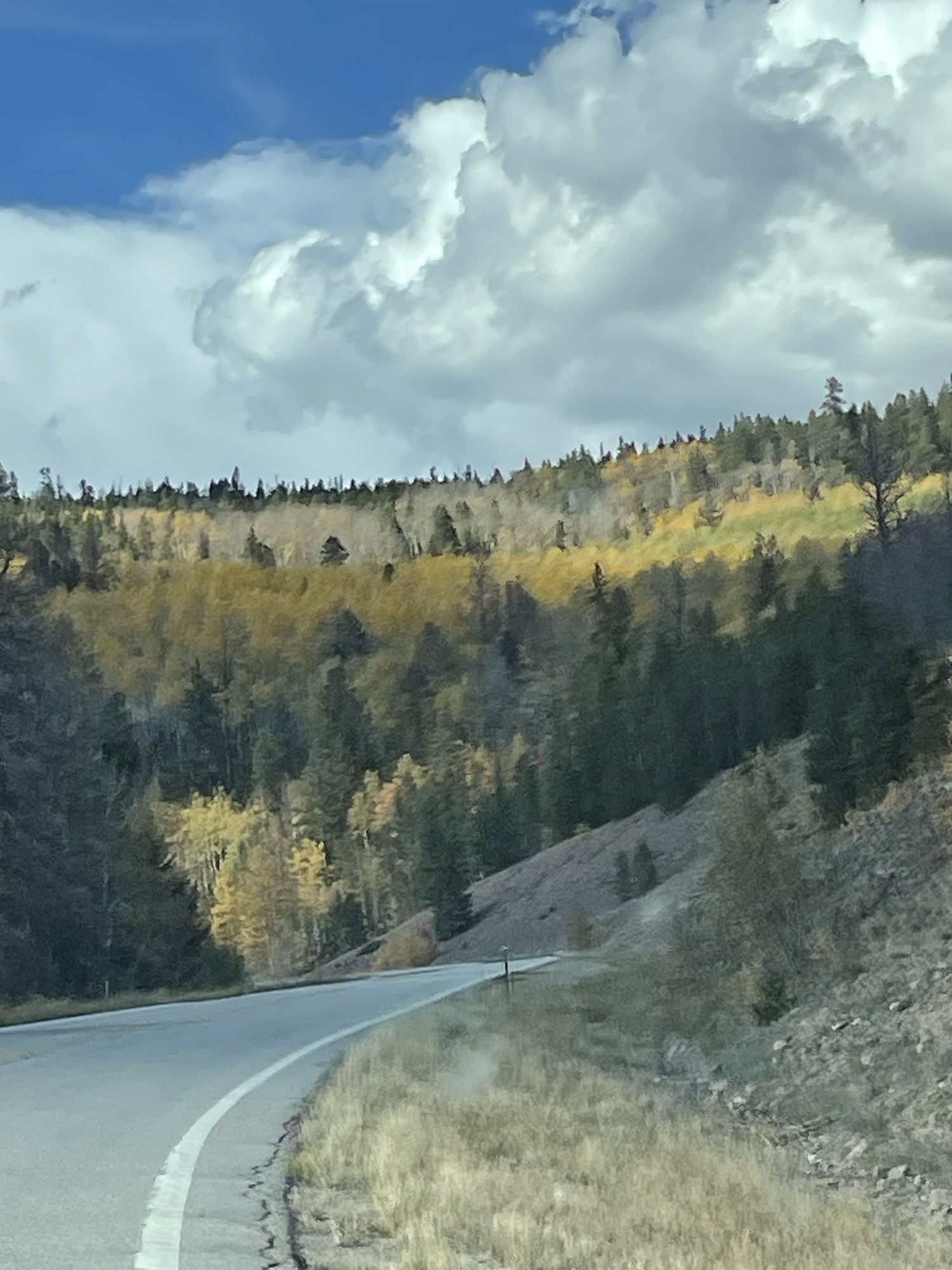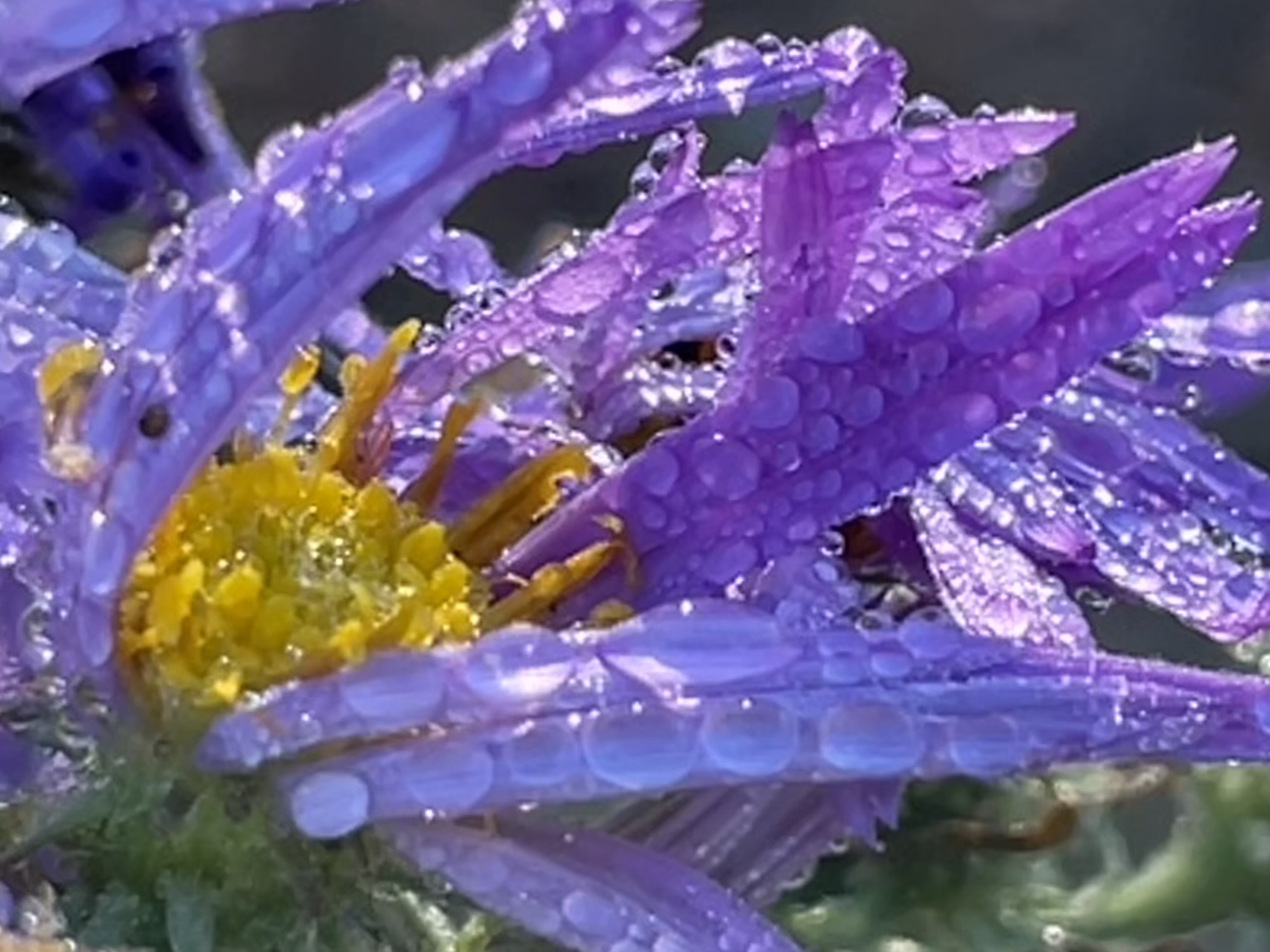
Over the last week or so we’ve been witnessing trees, grasses and wildflowers producing out-of-season blooms in response to increasingly strange and unpredictable weather.
In that same vein, there’s a resurgence happening in online and in-person spaces addressing systematic safety issues in applied biological sciences. Field Inclusive have been addressing many of these topics since 2022, offering support for historically excluded scientists. Recently on Instagram, @MichiganBiologist began sharing her experiences in wildlife biology, closely followed by @CactusQuollCreations and other science communicators.
Here is a link to the anonymous survey if you’d like to share your experiences.
If you follow our socials, you may have noticed we shared that’s its one of the reasons we created this consulting firm: to disengage ourselves from the exploitative and dangerous practices that are seemingly ubiquitous in conservation.
Bonding among applied scientists usually means swapping pay scales, camping spots, and field work horror stories that were entirely preventable by the organizations they’ve worked with. The humorous anecdotes shared from systematic struggles become especially apparent if you’re someone who is not perceived as an “average” scientist.
If you’ve worked with us in person, you may have noticed that we rarely schedule morning classes or workshops. The reasons for holding late-morning and afternoon activities are readily clarified by reading, analyzing and internalizing our organizational values, community partnerships, actions, and frequently explored themes.
We’re still in this work because we love it. We want more people to have safe and fulfilling experiences to empower their decision-making processes. We want more communities to train their folks that align with their values. We want more community members to become scientists.
Let’s continue to learn:
There are three live webinar CEU opportunities this week.
Wednesday, Nov 4th
Phytophthora Diseases on Trees and Shrubs in Urban and Forest Environments @ 11:00am Mountain
Dr. Steve Jeffers (Professor and Extension Specialist – Clemson University) will discuss the biology, impact, and management of phytophthora in both forested and urban settings.
Phytophthora, derived from Greek and meaning “plant destroyer,” is among the most destructive plant pathogens worldwide. But what exactly is it? Phytophthora is a genus of fungi-like organisms called oomycetes, or water molds, responsible for a wide range of plant problems including wilts, cankers, blights, root rots, and even mortality in severe cases. It can be found impacting plants in both forests and urban settings with notable species including P. cinnamomi (root rot), P. infestans (potato blight), and P. ramorum (sudden oak death). In this webinar, Dr. Steve Jeffers will cover Phytophthora biology, its impacts, and potential management strategies.
The Major Oak–Legends never die @ 11:00am Mountain
Four voices collectively speak on the life of the Major Oak, looking back at the history of one of England’s most famous and beloved trees, and looking ahead to learn from the many ways in which attempts were made to sustain it.
Thursday, Nov 5th
Career Compass: Building Partnerships That Get Things Done @ 11:00am Mountain
For young and emerging urban forestry professionals, learning how to work effectively with other city departments and community partners can be just as important as technical expertise. Whether you’re working with public works, parks, planning, engineering, sustainability, communications, elected officials, nonprofits, private-sector, or community partners, each group brings different priorities, pressures, and styles of working.
On-Demand CEUs
Arbsession Training Videos
Forestry Webinars
The Webinar Portal, a product of Southern Regional Extension Forestry (SREF) and winner of the 2011 USDA Forest Service’s Two Chiefs’ Partnership Award, is a “multi discipline” web platform used to promote and deliver live and on-demand virtual events and webinars focused on forestry, agriculture, conservation, climate science and other natural resource disciplines.
TreeStuff Webinars on YouTube
Watch a video and pass the quiz to qualify for free ISA CEUs.
Tree Care Industry Association (TCIA)
Introduction to Arboriculture Safety (1.25 ISA CEUs)
In this program, you will learn about general tree care safety so that you can avoid accidents while working in the field.
Susan Harwood Grant program OSHA Trainings (Up to 5 ISA CEUs)
Remember, you can always ask your local ISA chapter if your event qualifies for CEUs.
If your organization is hosting a free in-person or virtual ISA CEU opportunity, please reach out to so we can share it!
Subscribe to continue to receive free notifications for no-cost ISA CEU events.