A plant key is a tool used to artificially classify a plant based on it’s physical characteristics. Typically, these keys feature conserved characteristics like reproductive structures as they rarely change from generation-to-generation in plants.
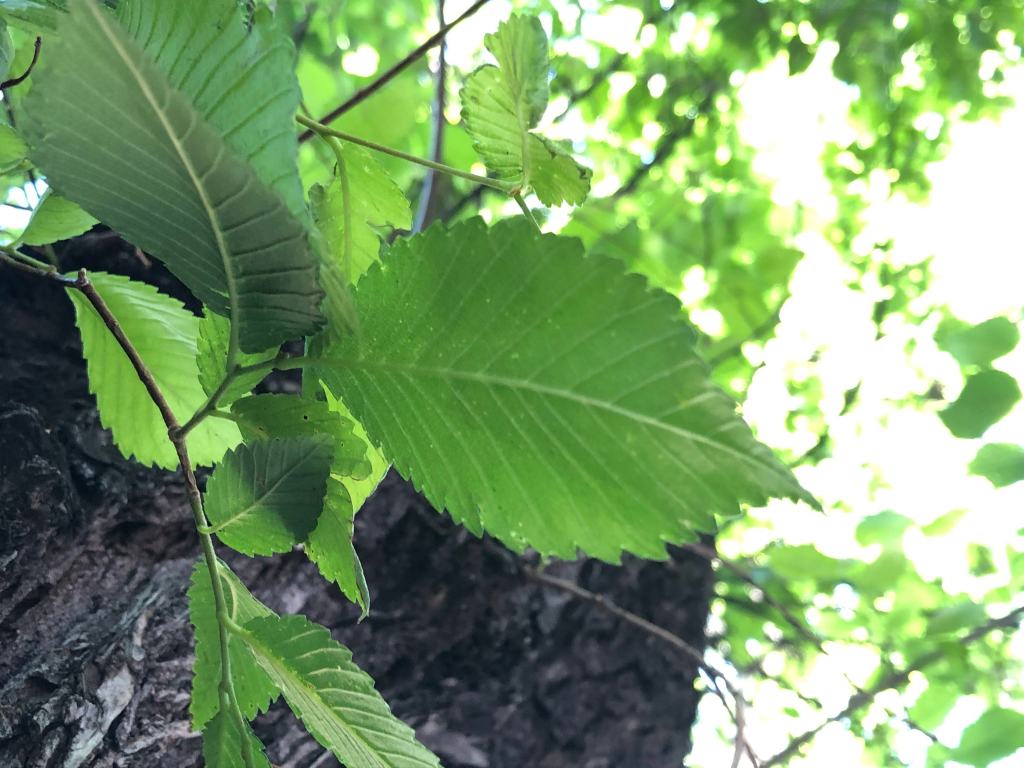
However, with many plants, especially trees, it can be hard to identify the plant because there is a short window to observe their reproductive structures. This is why we use vegetative parts in our keys.
In this key, we’ve used multiple characteristics to help users learn how to see plant patterns from a botanist’s perspective. Try making your own key from plants in your community! We’ve included many resources in the pdf for you to explore.
Why Should I Use A Plant Key Instead of an App?
While apps and AI can be helpful in identifying plant species, it’s not recommeneded. Plant taxonomy experts look at all sorts of small characteristics to build a plant profile for artificial keys.
Frequently, apps will provide the wrong species due to many factors like: wrong location, poor cell service, blurry photos, no identification tied to herbarium-vouchered specimens, etc.
Addiitonally, there are better tools available! Try iNaturalist, an app that uses verified source material and subject matter experts from around the world to help accurately identify plant species.
The health of the environment is directly tied to our health and pollinators. Scientists have specific vocabulary that describes that relationship: indicator species. Indicator species aren’t always pollinators , but can be amphibians, birds and other organisms that show the effects of climate and environmental change so acutely, we can measure their presence to show the impacts of environmental change.
What are pollinators?
Pollinators include many kinds of life, not just insects. Birds, bats and some mammals are also pollinators, (including humans). These organisms have a long relationship with flowering plants through a process called co-evolution.
Why do scientists say that we’re in a mass extinction event?
If you speak to your parents, grandparents or folks that are older than you, you will likely hear about how much the world has changed since they were you age. This doesn’t necessarily apply to just technology or economic changes, but also includes changes in your environment. You may have also noticed differences in your environment as you have gotten older. I know I have.
I’m in my early 30s, but I moved around and traveled a lot as a kid. Some of the strongest memories I have were from road trips. Although we lived in a desert climate, there were so many insects all over our car any time we drove more than an hour. This became more pronounced when we moved further east to the other side of the United States and when we moved overseas.
When I moved back to my hometown in Central Utah in the mid 2000s, there was such a noticeable decrease in insects and birds that my parents were surprised. When I moved to Texas in 2022, I’d be on long roadtrips for work, up to 8 hours of driving through various climates and ecosystems, I’d rarely have any bugs on my front bumper or windshield. This is called the Windshield Phenomenon, a measurable indicator of climate change and ecological health.
Why is the decrease in insect diversity concerning?
Insects hold a unique role in ecosystems. When scientists talk about ‘trophic levels’ and ‘food webs’, insects are some of the most important species holding it all together.
Many insects function as pollinators, which help plant species propagate and create new life. They also function as food for other species and a significant source of protein for larger organisms like birds and amphibians.
What effects would occur for the other living organisms that depend on that plant for food?
This is a very simplified example of what ecologists do on a day to day basis, examining site conditions to determine ecological impacts for various (and frequently innumerable) species. There are specific ways of managing and documenting species that help maintain and encourage ecosystem health for future generations.
How are urban forests and pollinators connected?
Urban forests are one of the largest pockets of greenspace in cities that include multiple levels of plant biodiversity.
Each of these layers has a role and supports specific ecological niches.
These plants, ideally, are native species that provide habitat, food and other ecosystem services that support urban biodiversity. Native species have been around for a long time and have developed partnerships with native pollinators for eons.
However, it is recommended to increase the biodiversity of canopy species to reduce pests and disease, so non-native species are frequently planted to achieve those goals. Additionally, it is hard to find many species of plants in commercially available nurseries as they have specific ways of germinating that impact it’s viability as a commercial product.
How do I find information about my local pollinators?
There are so many different resources to learn about your local pollinators.
Internationally, iNaturalist is one of the best tools available. Data is collected by everyone and confirmed by experts in your community and worldwide. There are apps in all major app stores, a comprehensive website and has worldwide events anyone can participate in. It’s free, supports open-sourced data, and works like a real-life PokeDex.
In the United States, most land-grant universities have Extension offices. These are community experts that typically specialize in traditional settler agriculture, but are increasingly including experts in native plants, gardening and engaging in community science opportunities and training for laypeople.
Are domestic bees pollinators?
Technically, yes.
However, they aren’t the most efficient pollinators and increase competition for forage among native species. This has wide reaching effects and causes conflict among conservation advocates and community members who are seeking food sovereignty through bee-keeping.
One way to keep domestic honeybees and support native bees and other pollinators is by building habitat.



 Abbott Botanical Assessments, LLC