This week has been full of travel: from the mountains of New Mexico, across small towns on local backroads, to Texas Hill Country.
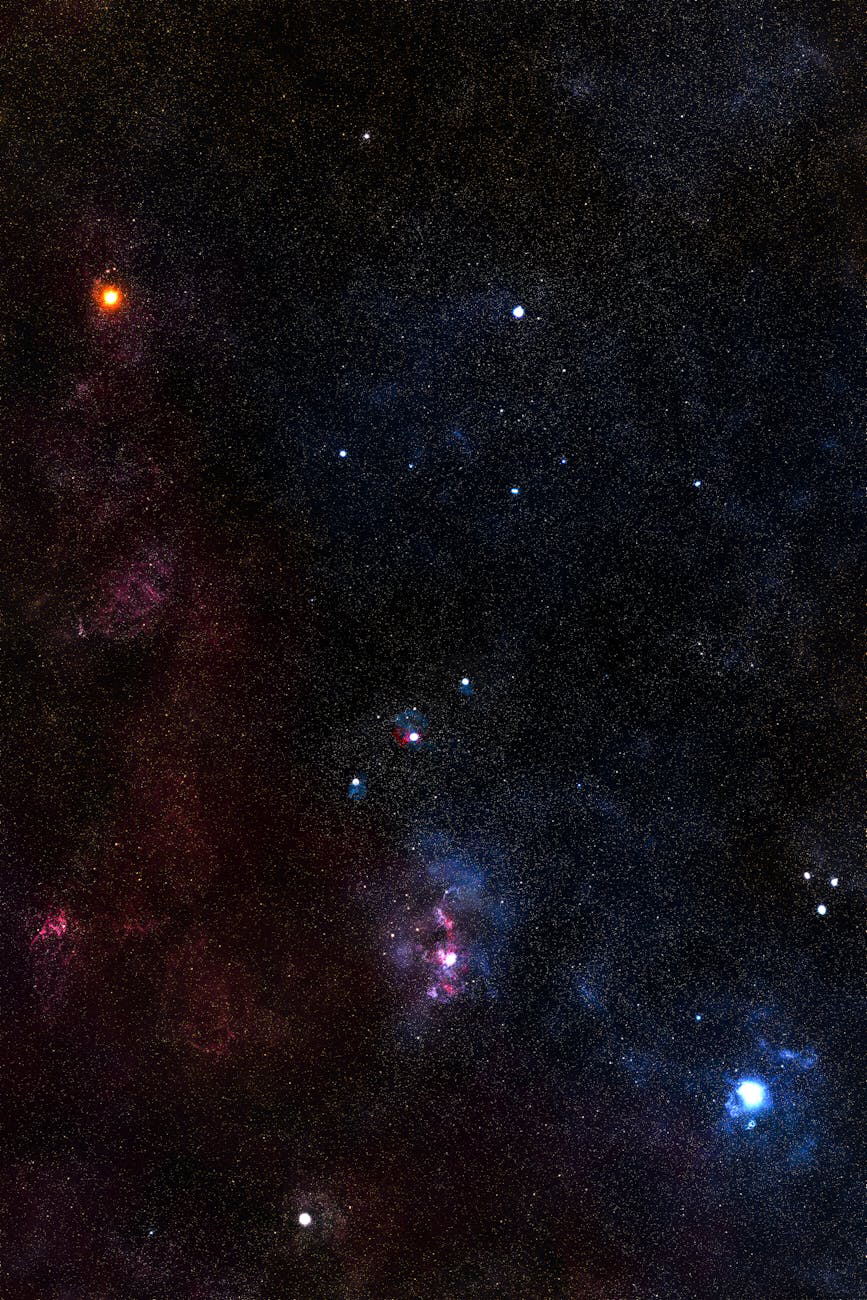
Orion offered familiar guidance through new locales and greeted me every evening, while camping or in a bunkhouse. An old friend, Southern Live Oak (Quercus virginiana) was the star at the Women’s Tree Climbing Workshop in Wimberly.
If you’re wanting to “clip into” tree climbing or want to support an organization that does, we highly recommend WTCW. The environment was incredibly supportive, safety-focused and offered representation within arboriculture and outside of the profession.
Next week, we’ll be in Utah speaking in Day 2 of the Rare Plant Meeting, hosted by the Utah Native Plant Society, Red Butte Garden and many other organizations that support the people and plants of Utah.
We only have availability for consultations in Utah and Salt Lake Counties on March 2, so book ASAP to get on our calendar.
While we did earn CEUs at WTCW(and you can too!) no live webinars for free ISA CEU training opportunities are available this week.
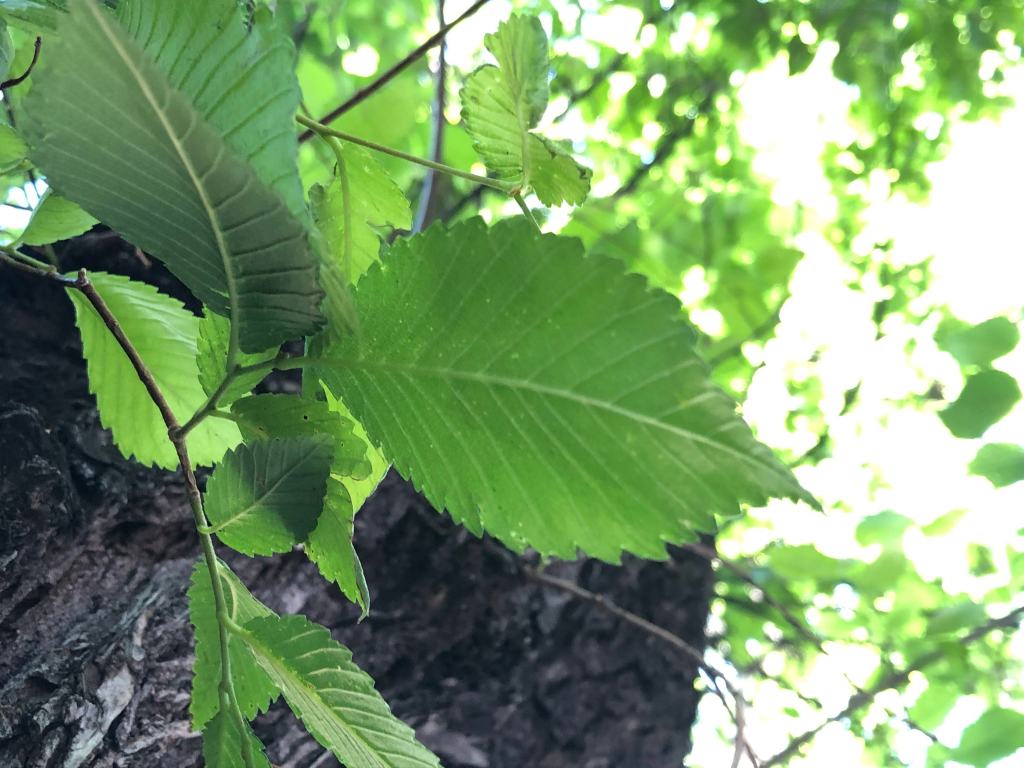
A plant key is a tool used to artificially classify a plant based on it’s physical characteristics. Typically, these keys feature conserved characteristics like reproductive structures as they rarely change from generation-to-generation in plants.
However, with many plants, especially trees, it can be hard to identify the plant because there is a short window to observe their reproductive structures. This is why we use vegetative parts in our keys.
In this key, we’ve used multiple characteristics to help users learn how to see plant patterns from a botanist’s perspective. Try making your own key from plants in your community! We’ve included many resources in the pdf for you to explore.
Why Should I Use A Plant Key Instead of an App?
While apps and AI can be helpful in identifying plant species, it’s not recommeneded. Plant taxonomy experts look at all sorts of small characteristics to build a plant profile for artificial keys.
Frequently, apps will provide the wrong species due to many factors like: wrong location, poor cell service, blurry photos, no identification tied to herbarium-vouchered specimens, etc.
Addiitonally, there are better tools available! Try iNaturalist, an app that uses verified source material and subject matter experts from around the world to help accurately identify plant species.
In reality, my experience wasn’t that lighthearted. I loved many aspects of my job, the agency mission that I supported, the people I worked with, the communities across Texas that I served, but the reality of being on the front lines of the climate crisis was exhausting. Being in a highly visible role while wrestling with the political realities that contradicted good science AND good people was nearly impossible.
Over time, I had to accept that many community leaders had no concept of public land, that plants and trees were alive, nor that parks could be a peaceful havens for the community.
A live oak trying to survive in Fort Worth, Texas on St Louis Ave & Leuda Street. More than half of its roots were cut and it is still standing. However, a tree may not react to external stressors like these for many seasons.
Both Utah and Texas are conservative and deeply red states that have strong, traditional values. However, approaches to educate the general public and community partners about communal property were vastly different.
When interacting with community members, I knew how to reframe and direct common public land narratives to tie indigenous sovereignty, best management practices and climate change together. In short, I ‘spoke’ the language of the LDS faithful and happily facilitated opportunities to educate inquiring minds. I still do.
The Texan identity is fundamental to addressing climate change narratives in the state, but developing a love of nature in children there is extraordinarily difficult. In my experience, children from Texas actively disliked and some even feared the outdoors.There’s many reasons, but most of the perspectives I heard seemed related to safety concerns tied to racism and outdoor access,venomous animals, record heat waves,wildfire risk and flooding.
For community members that don’t have the opportunity to build a relationship and responsibility with nature, having regular access to community science educators should be a priority for lawmakers and leaders.
My favorite method of getting families outdoors was partnering with local parks and recreation departments to offer moon-lit Nature and Forest Therapy hikes from late spring to early fall. I developed a hybrid method that made space for participants to feel comfortable outdoors, offer answers to their science questions and practice supervised way-finding.
In other words, it was cooler, the full moon offered enough light to for children to guide their parents on the well-marked trail, reinforced safe interactions with night wildlife, and helped children and adults feel confident to revisit the park during the day.
My most successful method is building community-led programs that align with narratives which empower undeserved members because that has been my lived experience as a low-income, first generation high school and college graduate.
You may find another method that aligns well with your passions and skills.
As a scientist, I have a responsibility to facilitate conversations and spread knowledge about climate realities. I believe it can be through applied hope and joy. By advocating for responsible stewardship, we can offer culturally-relevant education, skill building, intergenerational investment and personal accountability.
As a person who was once a child, community led me to a career that brings me great joy that I get to share with everyone I meet. How do we foster joy in our relationships to each other and our plant friends?
I think the simplest way is to become friends with a tree.
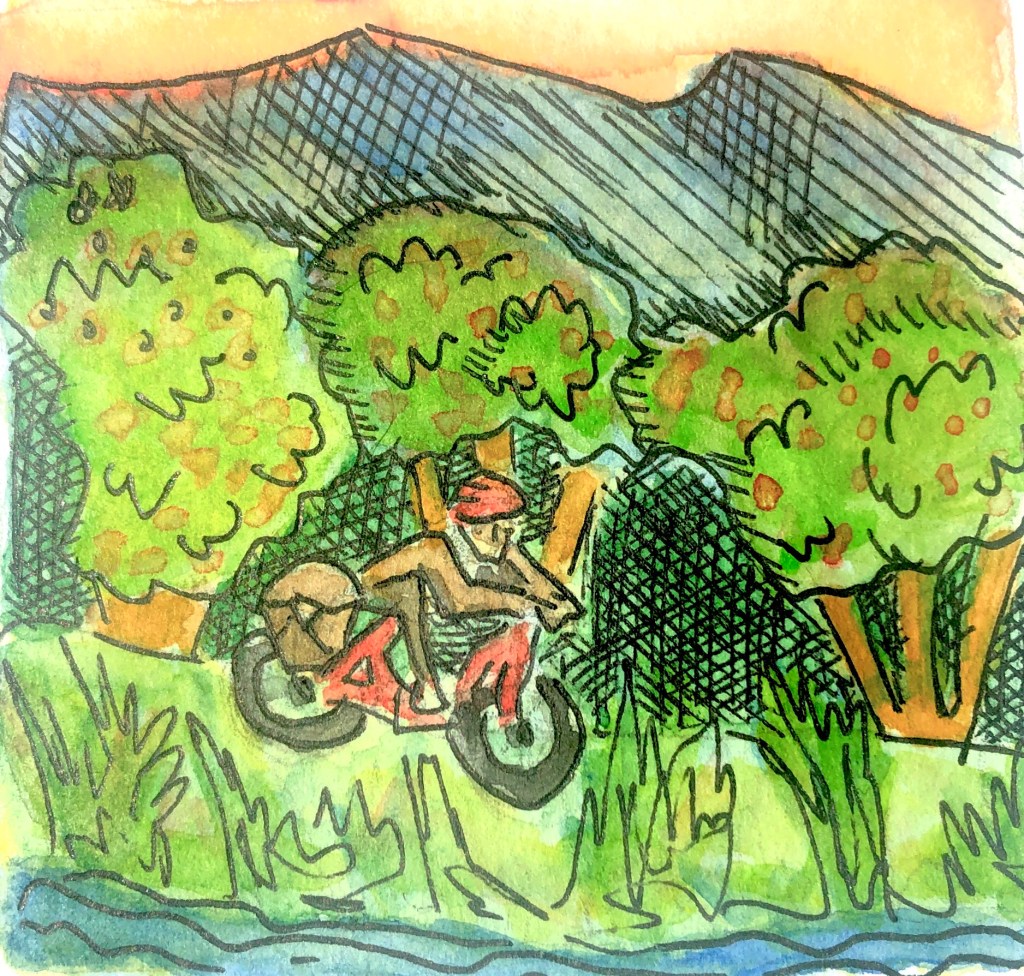
In honor of National Bike month, we’re exploring the impacts of cycling on urban forests.
On a personal level, I am an avid cyclist. It was my main form of transportation until I bought my first car around 23. Before that, I walked, took the bus, rode my bike and got rides with friends. It was a bit easier back when UTA had expanded routes, but due to lack of accessibility, it limited the opportunities for my education and career.
On a professional level, I advocate for the reduction of car dependency in our communities on multiple levels. This tends to be a controversial take since most of the United States lacks comprehensive alternatives for personal vehicles.
Let’s examine how bicycles positively impact urban forests:
What are the main contributing factors to urban tree decline in communities?
Most certified arborists, tree workers, tree surgeons and other folks in the industry would widely agree that the leading causes of tree mortality are related to:
watering: drought and/or over-watering, depending on local climate and soils
poor site selection, preparation, planting and establishment which leads to soil compaction and root damage
overall environmental stress: pollution, urban heat and increased storm runoff due to impermeable surfaces
The Arbor Day Foundation has a great phrase that we all love to use: “Right Tree, Right Place, Right Reason”. It’s a great reminder to keep in mind the leading causes of preventable tree mortality in communities.
How do urban forests influence public health outcomes related to car pollution?
I like to think of trees as oases in communities. They provide innumerable ecosystem benefits, or ‘ecosystem jobs’ in our neighborhoods: shade, cooling, water purification, water percolation, erosion reduction, biodiversity hubs, habitat for wildlife, food, etc. These benefits begin to decline when trees are exposed to environmental stressors like poor water quality, car pollution and root compaction.
Cars produce various kinds of pollution: noise, particulate matter, volatile organic compounds, nitrous oxides, carbon monoxide, sulfur dioxide and carbon dioxide.
Unfortunately, urban trees aren’t as ubiquitous in every neighborhood as one might hope. In communities that have been denied environmental justice, they are disproportionately affected by pollution and lack of green spaces, including vehicular emissions.
In urban forestry, we call this the 10-20-30 (or Santamour) rule: No more than 10% of the same species, no more than 20% of the same genus and no more than 30% of the same family.
When the complete life cycle of the following modes are taken into account, the carbon emissions are approximately: Bicycle, 21 g CO2/passenger/km traveled Electric-assist bicycle, 22 g CO2/passenger/km traveled Passenger car, 271 g CO2/passenger/km traveled Bus, 101 CO2/passenger/km traveled. European Cyclists’ Federation, 2011 – Cycle more often 2 cool down the planet: Quantifying CO2 savings of cycling
If 20% of Madison, Wisconsin commuters biked to work, it would save 16,687 tons of carbon dioxide emissions, a value of $366,577. If 20% of Milwaukee commuters biked to work, it would save 40,718 tons of carbon dioxide emissions, a value of $821,282. Grabow, M., et al., 2010 – Valuing Bicycling’s Economic and Health Impacts in Wisconsin, January 2010
Bicycle traffic in Copenhagen prevents 90,000 tons of CO2 from being emitted annually. City of Copenhagen, 2010 – Bicycle Account, 2010
If 5% of New Yorkers commuting by private car or taxi switched to biking to work, they could save 150 million pounds of CO2 emissions per year, equivalent to the amount reduced by planting a forest 1.3 times the size of Manhattan. Transportation Alternatives, 2008 – Rolling Carbon: Greenhouse Gas Emissions from Commuting in New York City
Half of U.S. schoolchildren are dropped off at school in the family car. If 20% of those living within two miles of school were to bike or walk instead, it would save 4.3 million miles of driving per day. Over a year, that saved driving would prevent 356,000 tons of CO2 and 21,500 tons of other pollutants from being emitted. Pedroso, M., 2008 – Safe Routes to School: Steps to a Greener Future
What activities can you do to celebrate National Bicycle Month ?
Register & Vote in local elections.
Reduce your car use through carpooling, walking, cycling, etc.



 Abbott Botanical Assessments, LLC